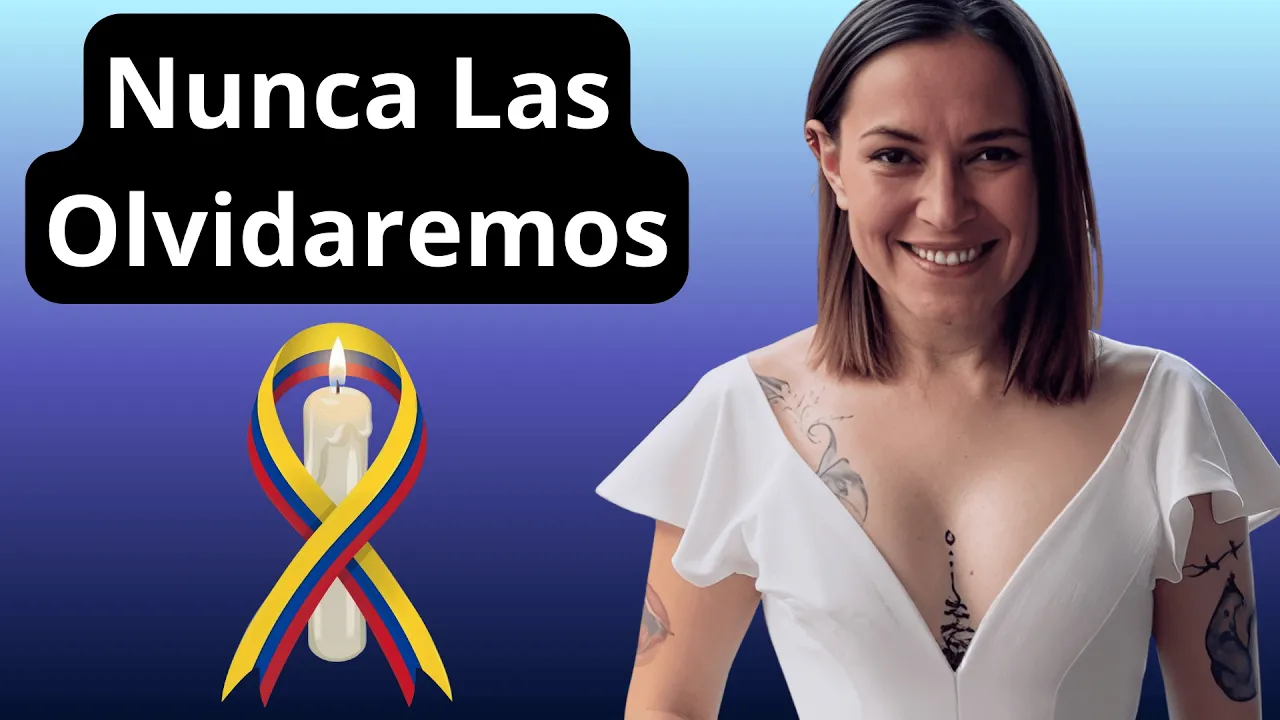
Colombia’s cultural memory is shaped by women whose talent, courage, and public commitment reached far beyond a single profession. Their lives connected entertainment, sport, journalism, theater, fashion, politics, and community life, leaving stories that continue to be remembered by audiences throughout the country.
A legacy built across many fields
The women honored in this reflection represent the breadth of Colombian achievement. Some became familiar faces in living rooms through comedy and television. Others made their mark behind the scenes, on the stage, in international competition, or in public service. Together, they show that influence is not measured by one kind of fame: it can be created through laughter, representation, resilience, advocacy, or the patient work of building institutions.
Television, comedy, and beloved characters
Fabiola Posada, widely known as La Gorda Fabiola, is remembered as a defining presence in Colombian comedy. Her warmth and comic timing helped make humor a shared national language, particularly through the long-running program Sábados Felices. Her career was more than a collection of performances; it was a bond with viewers who welcomed her into their homes.
Sandra Reyes left a lasting impression through her work in television, including the memorable role of Dr. Paula in Pedro el escamoso. Celmira Luzardo likewise occupies a special place in the country’s screen history, especially through the character Catalina Ángel in Yo soy Betty, la fea. Dora Cadavid’s portrayal of Inesita in the same cultural phenomenon became another example of how a carefully observed character can remain vivid for years.
Talent, visibility, and the public image of Colombia
Lina Marulanda became one of Colombia’s most recognized models and presenters. Her career reflected the power—and the pressure—of visibility in the media. Through her presence on screen and in fashion, she helped define a period of Colombian popular culture while earning deep affection from the public.
Alejandra Villafañe is remembered for her talent and for the courage that moved people who followed her journey. Her story continues to be associated with determination, grace, and the emotional connection an artist can form with an entire generation.
Women who expanded the country’s possibilities
Luz Mery Tristán demonstrated excellence in sport at the highest level. As a world champion, she represented discipline and ambition while opening space for Colombian women in international competition. Her achievements remain part of the country’s sporting heritage, and her absence is felt by those who saw her as both a champion and a source of inspiration.
Fanny Mikey transformed Colombia’s theatrical landscape through her artistic leadership and commitment to the stage. Her work helped strengthen theater as a vital public art, giving performers, directors, and audiences a lasting platform. The institutions and traditions she supported continue to influence Colombian cultural life.
Piedad Córdoba occupied a very different arena, but her impact was no less significant. As a prominent and controversial political figure, she took part in some of the country’s most difficult public debates. Her career reflected the complexity of Colombian politics and the persistence required to participate in national life while facing strong disagreement.
Why remembrance matters
To remember these women is not simply to list careers or repeat familiar names. It is to recognize the different ways a person can alter a country’s emotional and cultural landscape. A joke that becomes part of family life, a character that is never forgotten, a championship that expands a child’s ambitions, a theater movement that survives its founder, or a political struggle that changes the conversation can all become part of a shared inheritance.
Their stories also invite a more complete understanding of Colombian history. Public memory often favors a small number of headline makers, while the broader work of artists, presenters, athletes, organizers, and advocates can be overlooked. Bringing these lives together restores some of that missing context and makes room for the many forms of leadership women have exercised.
A continuing conversation
Every generation encounters these figures differently. Older viewers may remember first appearances, landmark roles, or major victories. Younger audiences may discover them through reruns, archives, family stories, and the institutions they helped build. That process of rediscovery keeps a legacy alive while allowing each person’s work to be understood in a new social context.
The most meaningful tribute is therefore an active one: preserve the work, tell the stories accurately, acknowledge both achievement and complexity, and pass the memories forward. The women remembered here remain part of Colombia’s cultural conversation because their contributions still offer laughter, courage, ambition, debate, and belonging.