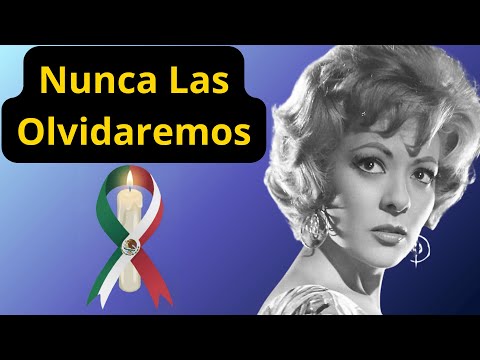
Mexico’s Golden Age of cinema produced a constellation of performers whose presence reached far beyond the screen. They played heroines, mothers, rebels, comedians, villains, and women whose lives refused to fit simple labels. Their films helped define Mexican popular culture, while their performances gave audiences an enduring language for love, heartbreak, ambition, sacrifice, and resilience.
Remembering these actresses is not only an exercise in nostalgia. It is also a way to recognize the craft, discipline, and imagination that made Mexican cinema a major cultural force across Latin America and beyond.
A generation that transformed the screen
The period commonly known as the Golden Age brought together directors, writers, cinematographers, composers, and performers in a remarkably productive creative ecosystem. Actresses stood at its center. Some became international stars; others built careers through supporting roles that audiences remembered as vividly as the leading performances.
Dolores del Río represented a sophisticated bridge between Mexican cinema and Hollywood. María Félix projected a commanding screen persona that turned independence and pride into dramatic forces. Sara García made maternal strength unforgettable, while Andrea Palma brought emotional complexity and understated elegance to some of the era’s most influential productions.
Katy Jurado demonstrated that intensity could be both controlled and explosive. Marga López became associated with emotional precision and formidable dramatic range. Ninón Sevilla and Meche Barba brought music, dance, and physical expressiveness into the center of popular cinema, creating performances that remain instantly recognizable.
Sixty names in a lasting cultural memory
The following group reflects the breadth of this legacy. It includes leading stars, character actresses, performers associated with musical cinema, and artists whose careers extended from the Golden Age into later decades:
- María Félix
- Dolores del Río
- Silvia Pinal
- Sara García
- Katy Jurado
- Carmen Montejo
- Marga López
- Andrea Palma
- Ninón Sevilla
- Meche Barba
- Rosita Quintana
- María Elena Marqués
- Gloria Marín
- Esther Fernández
- Miroslava Stern
- Columba Domínguez
- Evangelina Elizondo
- Blanca Estela Pavón
- Lilia Prado
- Rita Macedo
- Maricruz Olivier
- Isela Vega
- Carmen Salinas
- Irma Serrano
- Sasha Montenegro
- Silvia Derbez
- Ariadna Welter
- María Antonieta Pons
- Amalia Aguilar
- Tongolele
- Meche Carreño
- Fanny Schiller
- Anita Blanch
- Emma Roldán
- Prudencia Grifell
- Isabela Corona
- Amanda del Llano
- Alma Rosa Aguirre
- Lupe Vélez
- María Luisa Zea
- Lupita Tovar
- Carmelita González
- Lucy Gallardo
- Ofelia Guilmáin
- Beatriz Aguirre
- María Teresa Rivas
- Yolanda Varela
- Rosita Arenas
- Patricia Morán
- Olivia Michel
- Emilia Guiú
- Consuelo Guerrero de Luna
- Alicia Caro
- Lupe Inclán
- María Gentil Arcos
- María Luisa Alcalá
- Magda Guzmán
- Adriana Roel
- Yolanda Mérida
- Rosángela Balbó
More than glamour
Public memory often reduces classic stars to beauty, costumes, and glamorous portraits. Their work deserves a fuller reading. Many of these performers carried films through difficult emotional material, challenged the expectations placed on women, or used comedy to expose the contradictions of family and social life.
Columba Domínguez gave Indigenous characters and rural women a dignity that was too often missing from mainstream representation. Miroslava Stern brought vulnerability and intelligence to roles shaped by longing. Silvia Pinal moved confidently between comedy, drama, musical performance, and ambitious artistic projects. Carmen Salinas connected with audiences through an earthy comic timing that made ordinary speech feel theatrical.
Others made their mark through movement and musical performance. María Antonieta Pons, Amalia Aguilar, Ninón Sevilla, Meche Barba, and Tongolele helped create a vivid tradition of dance-centered cinema. Their performances were not decorative interruptions; they were a central part of the films’ rhythm, identity, and appeal.
Why their performances still matter
These actresses remain relevant because the questions embedded in their films have not disappeared. Who gets to define respectability? How can a woman claim independence without being punished by the story? What happens when family duty collides with personal desire? Classic Mexican cinema returned to these tensions repeatedly, and its leading women gave them faces, voices, gestures, and unforgettable emotional weight.
Their influence can be seen in later Mexican performers, television, music videos, fashion photography, and contemporary discussions of national identity. Even when modern audiences encounter the films decades after their release, the strongest performances continue to feel direct and alive.
Keeping the legacy alive
Honoring these women requires more than repeating familiar names. It means restoring films, improving access to archives, discussing the historical context of their work, and watching beyond the most famous titles. It also means acknowledging the range of careers represented here: international success, popular comedy, melodrama, dance cinema, character work, and artistic experimentation.
The Golden Age survives because these performers made it memorable. Their images may belong to another era, but their artistry continues to invite discovery. Each film offers another opportunity to see how much expressive power can be held in a look, a line of dialogue, a pause, or a gesture. That is why the legacy of Mexico’s screen divas remains larger than nostalgia: it is a living part of cinema history.